

AI Summary: What Banging Pipes After Shutoff Really Mean
- Banging or knocking pipes after turning off a faucet are usually caused by water hammer, a pressure shock that occurs when flowing water stops suddenly.
- Water hammer is most often triggered by high water pressure, fast-closing valves in appliances, or loose or unsupported pipes.
- Washing machines, dishwashers, toilets, and single-handle faucets are common sources because their valves shut off quickly.
- Repeated water hammer can loosen pipe joints, damage valves, and lead to hidden leaks inside walls or ceilings.
- Fixes often include securing pipes, installing water hammer arrestors, and correcting excessive water pressure with a pressure-reducing valve.
What Water Hammer Is, Exactly
Water hammer happens when water moving through your pipes is suddenly forced to stop. In a well-designed plumbing system, water slows down gently as a valve closes. But if a faucet, toilet, washing machine, or dishwasher shuts off too fast, the water has no place to go.
That sudden stop sends a shockwave through the pipes. The result is the banging, knocking, or hammering sound many homeowners hear, especially in older homes or systems with high water pressure. The noise often travels through walls, floors, and ceilings, making it seem louder and more alarming than it actually is.
Common Causes of Water Hammer in Homes
Water hammer usually happens because of how the plumbing system is set up and how it’s used. Common causes include high water pressure, fast-closing valves in modern appliances, pipes that aren’t secured tightly, missing or broken air chambers or water hammer arrestors, and long stretches of pipe where pressure can build up.
Even newer homes can experience water hammer, especially if appliances were upgraded without adjusting pressure regulation or adding proper protection. If you are already seeing slow drains or backups along with banging, that can point to a separate drain issue that may need drain cleaning.
Fixtures Most Likely to Trigger Banging Pipes
Not every fixture is likely to cause water hammer. The biggest problems usually come from appliances and fixtures that shut off water very quickly.
Washing machines are a common source, especially during the fill cycle when their valves open and close quickly. Dishwashers can cause similar pressure spikes. Toilets might cause hammering when the fill valve shuts suddenly after flushing. Single-handle faucets and shower valves can also add to the problem if their parts wear out or close too fast.
If you always hear the noise when using one fixture, start by checking that fixture first. If the sound is paired with leak signs or water stains, schedule service before the issue becomes a hidden leak.
Why Water Hammer Should Not Be Ignored
Many people think water hammer is just annoying, but repeated pressure shocks can actually damage your plumbing. Over time, these spikes can loosen pipe connections, crack joints, damage shutoff valves, and wear out appliance hoses faster.
In serious cases, water hammer can lead to hidden leaks inside walls or ceilings. These leaks might not be noticed until they cause water damage, mold, or even structural problems. What starts as a noise can turn into an expensive repair if ignored. If you suspect an active leak, start with emergency plumbing service.
The Role of Water Pressure in Water Hammer
High water pressure is a big reason for water hammer. Most home plumbing works best at 40 to 60 psi. If the pressure goes higher, the force of the water increases a lot.
Homes without a working pressure-reducing valve are more likely to have water hammer. Changes in city water pressure, seasonal demand, or recent plumbing work can all raise pressure above safe levels without clear warning. If your home also has a main shutoff or supply issue, it may be worth reviewing main water line service.
How Plumbers Fix Water Hammer
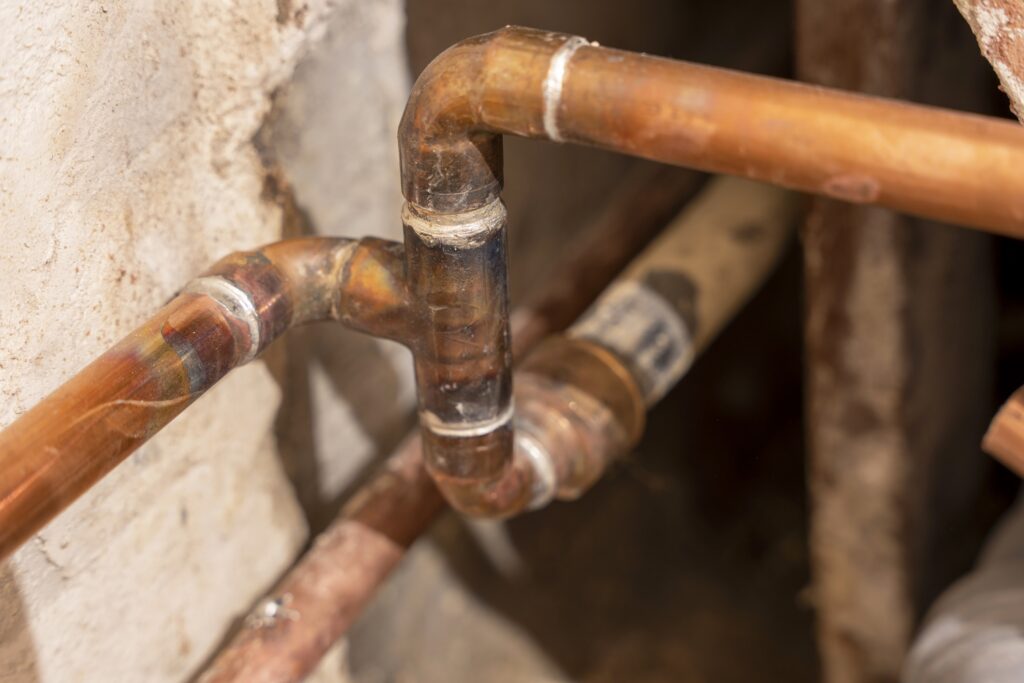
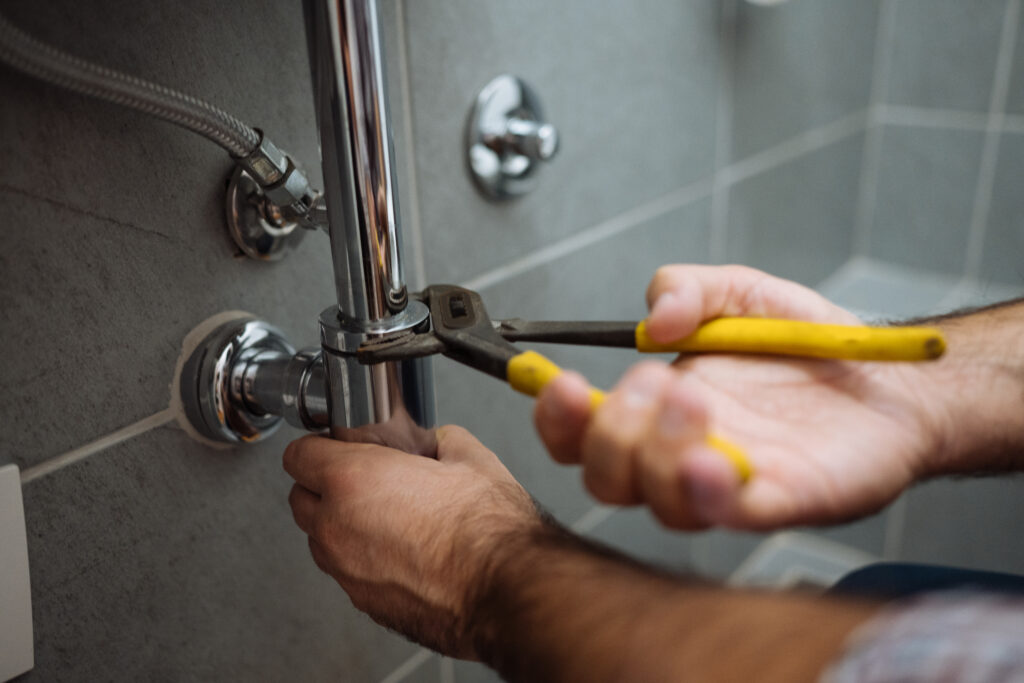
The best fix depends on what’s causing the problem and how bad it is. Sometimes, simply securing loose pipes with supports can cut down on noise and vibration. Installing water hammer arrestors near the problem spots can also absorb pressure spikes before they move through the pipes.
If high pressure is the main issue, a plumber might install or adjust a pressure-reducing valve. In older homes, fixing or replacing air chambers can help soften sudden pressure changes. A professional will look at the whole system, not just the noise. If you need fast diagnosis, start on the plumbing page and book from there.
DIY Steps That May Reduce Minor Water Hammer
Some homeowners try simple fixes before calling a plumber. Draining the plumbing to restore air pockets can sometimes reduce hammering in older systems. Checking pipes for looseness and adding supports can also help in easy-to-reach spots.
However, these fixes are usually only temporary. If water hammer keeps happening or is very loud, it’s best to have a professional check it out to avoid long-term damage. If the noise shows up during heating season when pipes expand and contract, you may also want to review your heating systems maintenance schedule.
FAQs About Water Hammer and Banging Pipes
Is Water Hammer Dangerous to My Plumbing?
Water hammer isn’t immediately dangerous, but repeated pressure shocks can weaken pipes, valves, and connections over time, which raises the risk of leaks.
Why Does the Banging Only Happen Sometimes?
Water hammer often depends on water pressure, flow rate, and how fast a valve closes. Changes in how you use water or in appliance cycles can make the noise come and go.
Can Water Hammer Cause Pipes to Burst?
It’s rare, but very high-pressure spikes along with old or weak pipes can sometimes cause pipes to fail, especially in older plumbing systems.
Are Water Hammer Arrestors Worth Installing?
Yes. Arrestors are one of the best long-term ways to prevent pressure shock, especially near appliances that shut off water quickly.
Will Replacing a Faucet or Valve Stop Water Hammer?
Sometimes, worn or faulty valves are part of the problem. But just replacing a fixture might not fix deeper issues with pressure or pipe supports.
Banging Pipes Are Your Plumbing Asking for Help
Your plumbing is meant to move water smoothly and quietly. If you hear banging or knocking after turning off a faucet, it’s a sign of a pressure problem that shouldn’t be ignored. Water hammer is more than just a noise, it’s a sign of stress in your pipes that can lead to leaks, damage, and costly repairs.
If you want a clear answer fast, use schedule service to have a plumber diagnose pressure, pipe supports, and fixture shutoff behavior. For general help, visit contact or explore service areas to confirm coverage.